A shared reform agenda
Co-creating a shared and actionable reform agenda for cities.
A U-CAN Initiative
India's urban transition presents a historic opportunity alongside deep structural challenges. Convened by U-CAN, the Urban Reforms Collective (URC) is a pan-India collaborative platform that brings together organisations to collectively shape, advance, and champion systemic urban reforms.
The gap
India's urban civil society has no shortage of expertise, but has historically operated in fragments. Organisations working on pieces of the same problem have done so without a coordinated joint agenda, resulting in duplicated efforts, fragmented evidence, and reform asks that sometimes conflict once they reach government on the same issue. The result is that the cumulative weight of civil society's work on urban reform has never landed with the force it should. The Urban Reforms Collective (URC) exists to fix the coordination failure, not to replace the organisations solving the substantive problems.
The work
The Urban Reforms Collective's (URC) work is centred on enabling a stronger, more connected field around urban governance reform. A key priority will be to co-create a shared reform agenda and policy engagement roadmap for long-term and short-term, and aligning efforts across organisations to champion this agenda. The URC's reform priorities will be developed with input from all members.
Alongside this, the URC will work to build the infrastructure that collaboration requires, and explore ways to better align resources in support of shared priorities.
Co-creating a shared and actionable reform agenda for cities.
Building a stronger and more aligned ecosystem for sustained urban transformation.
Amplifying the salience of urban reforms within public and policy discourse.
Next 12–18 months
Over the next 12 to 18 months, URC's work will centre on three things:
First, building a foundational, shared understanding of the reforms Indian cities need, covering decentralisation and participatory governance, institutional capacity, inclusive planning systems, and service delivery, then translating that into specific, actionable reform suggestions pitched at different levels of government and, where possible, tailored to a state's or city's specific context.
Second, building real buy-in for these ideas through sustained engagement with elected representatives and bureaucrats at the national, state, and local level, as well as constitutional institutions, political influencers, media, and citizens. Buy-in here means something concrete: a change in law or policy, or funds and functionaries actually allocated to make reform possible. That requires identifying the government engagements different organisations are already having, and embedding urban reforms within them.
Third, growing the range of voices URC represents, by bringing in more organisations from more geographies and sectors across urban India.
The value exchange
Every member organisation's agenda moves faster collectively than individually. The government is more likely to act when it hears the same ask from multiple credible organisations than when it hears competing asks from separate ones.
Members get a platform and collective legitimacy to amplify their own work. Their research reaches more decision-makers, government relationships become part of a larger strategic map, and their voice on urban reform carries more weight when it is visibly part of a coordinated collective.
Finally, members get access to a shared evidence base, political economy intelligence, and peer learning across organisations. These are resources that would cost any single organisation significantly more to build alone.
1 June 2026 · Mumbai
On 1 June 2026, marking 33 years of the 74th Constitutional Amendment, the founding members of the Urban Reforms Collective signed the Mumbai Declaration, reaffirming that India's path to becoming a developed nation runs through its cities, and that no single institution, organisation, or sector can transform them alone.
As the Urban Reforms Collective, signatories pledged to:
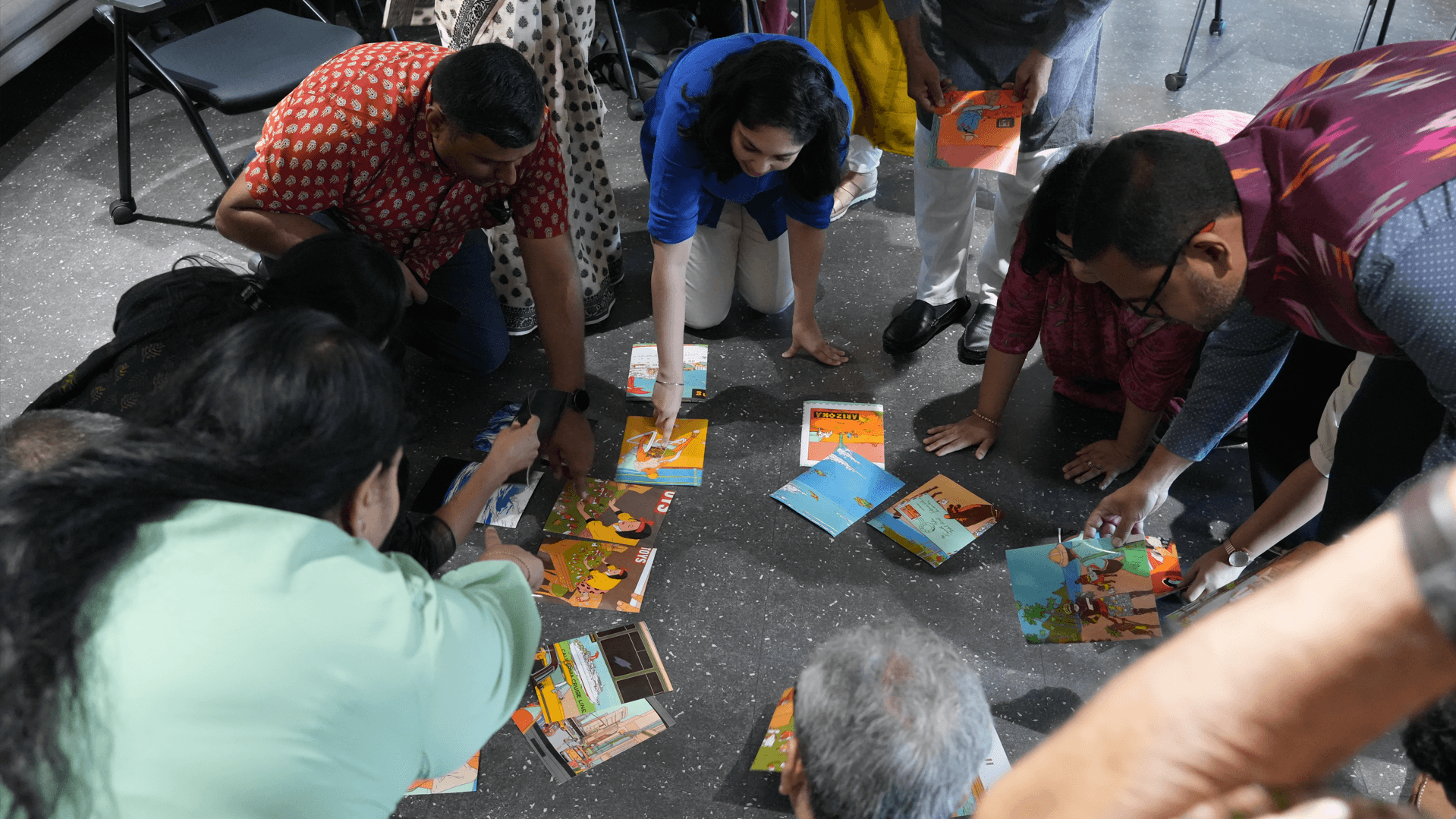
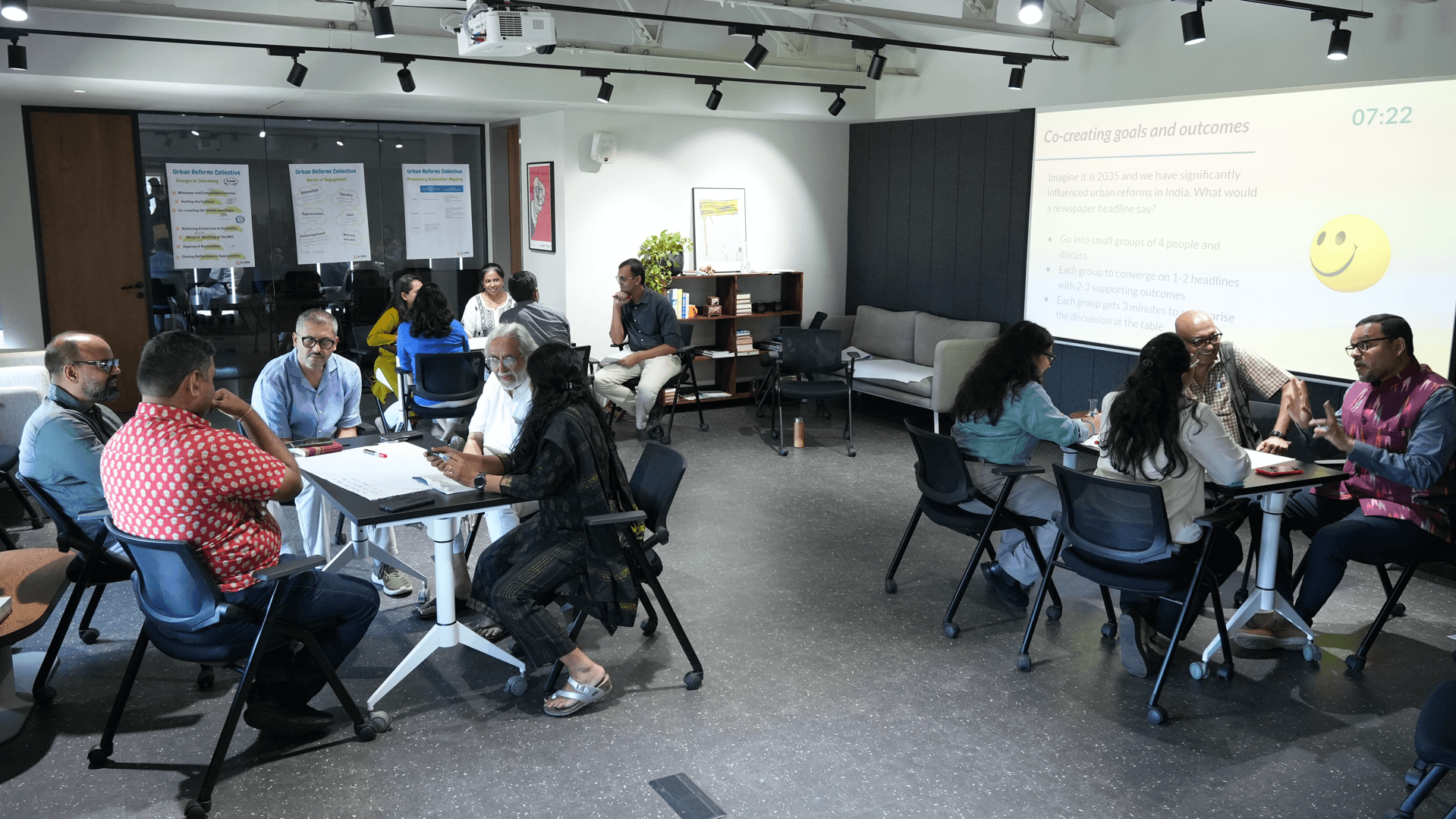
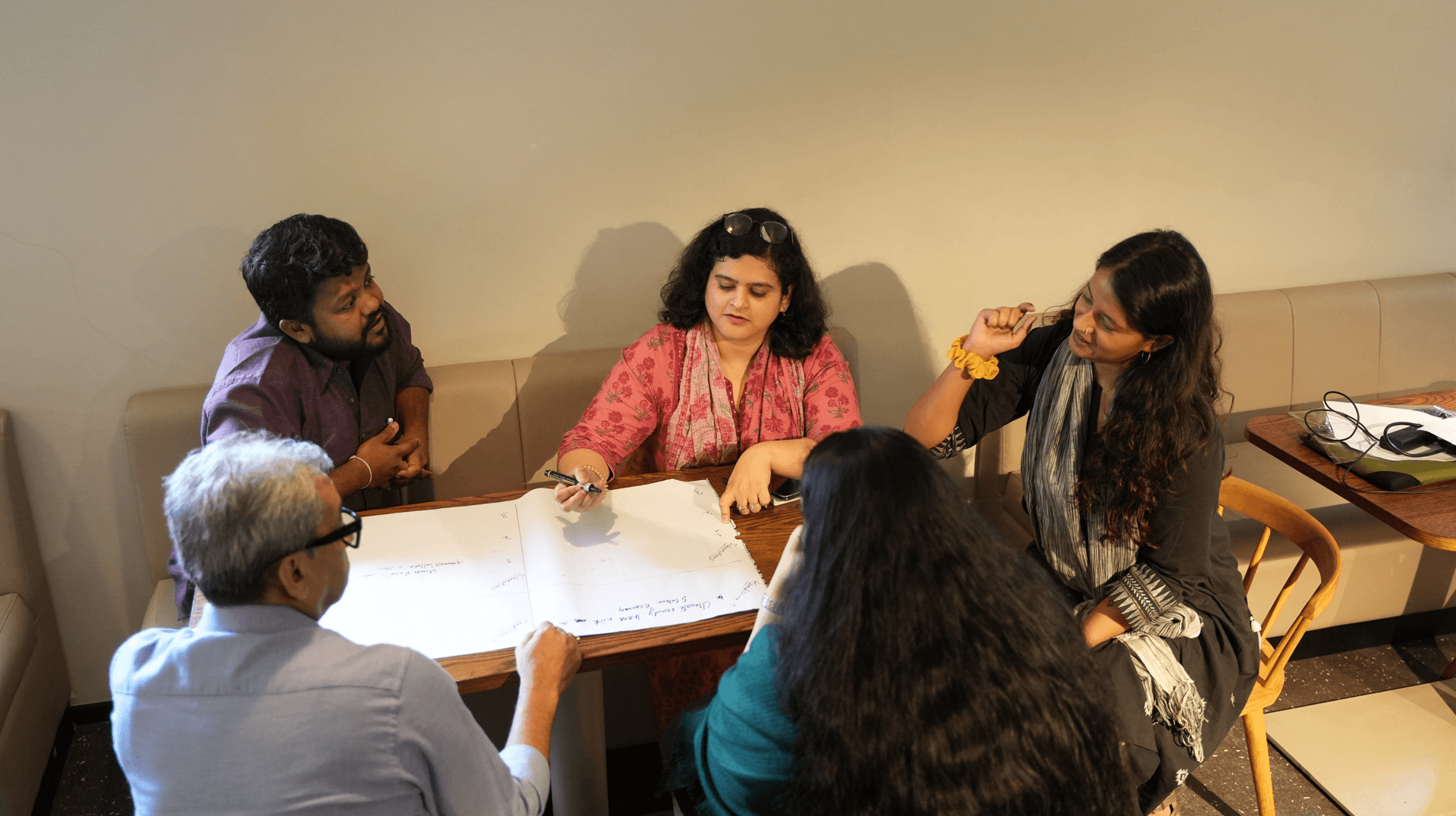
Inaugural convening
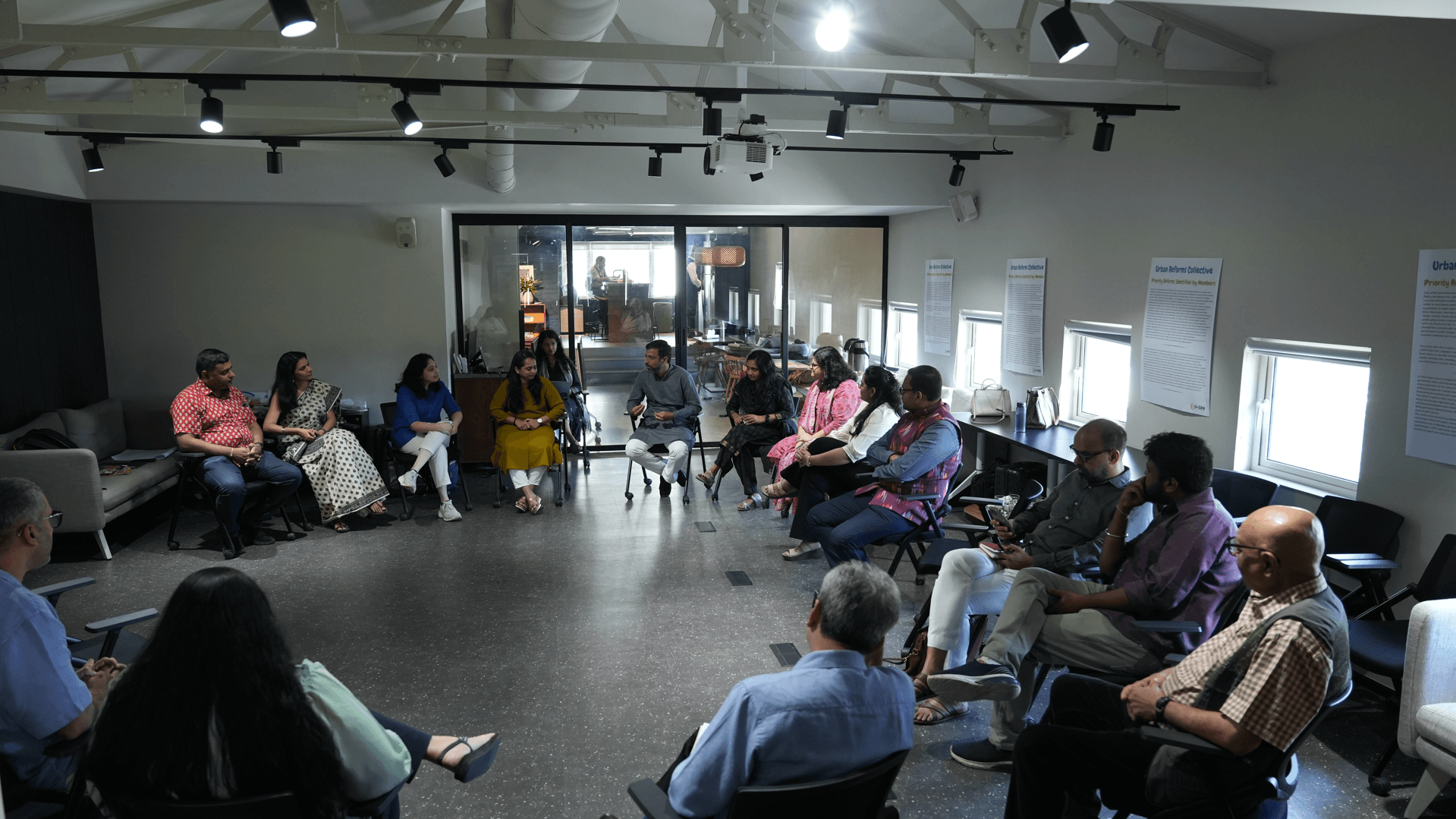
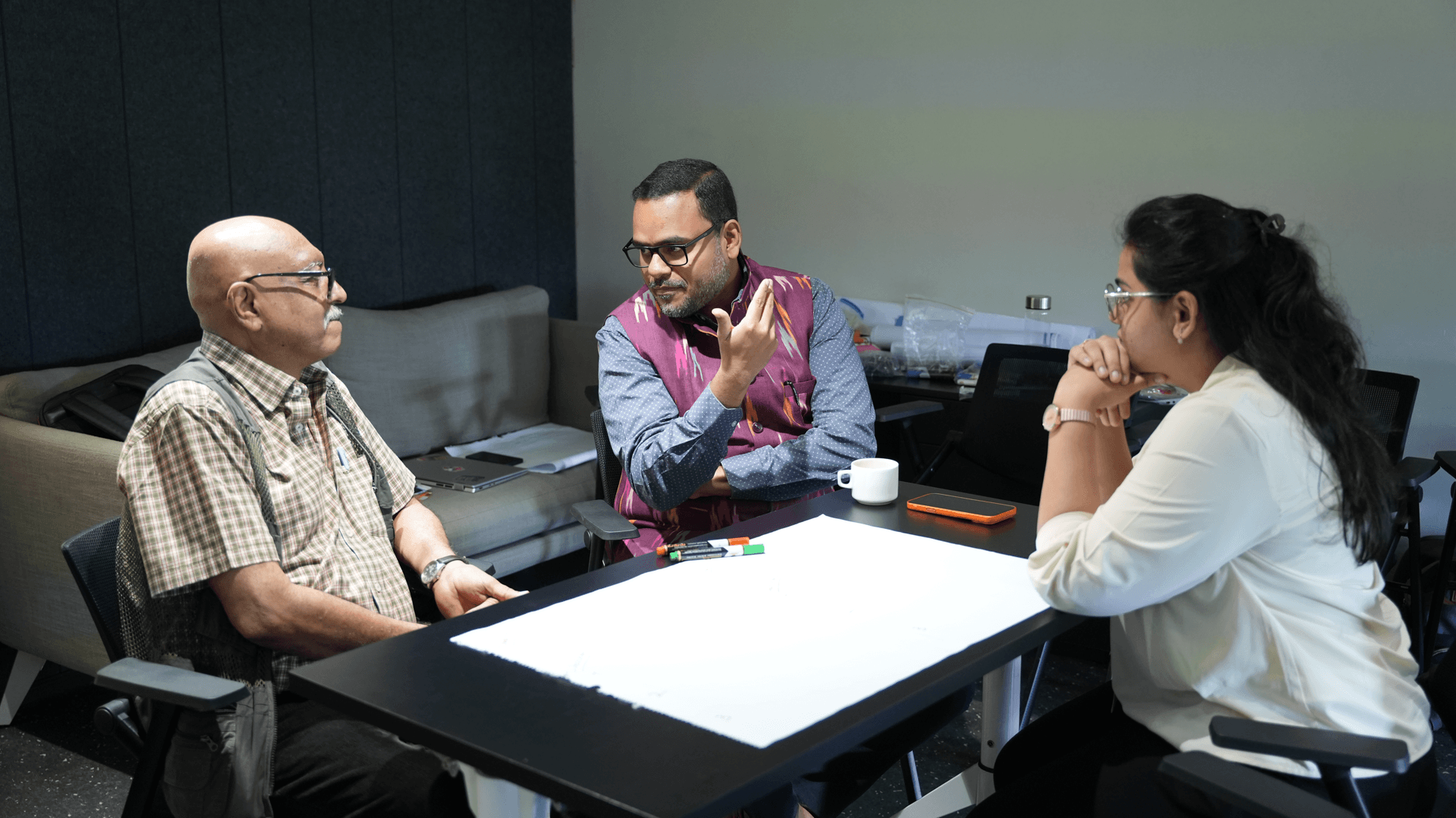
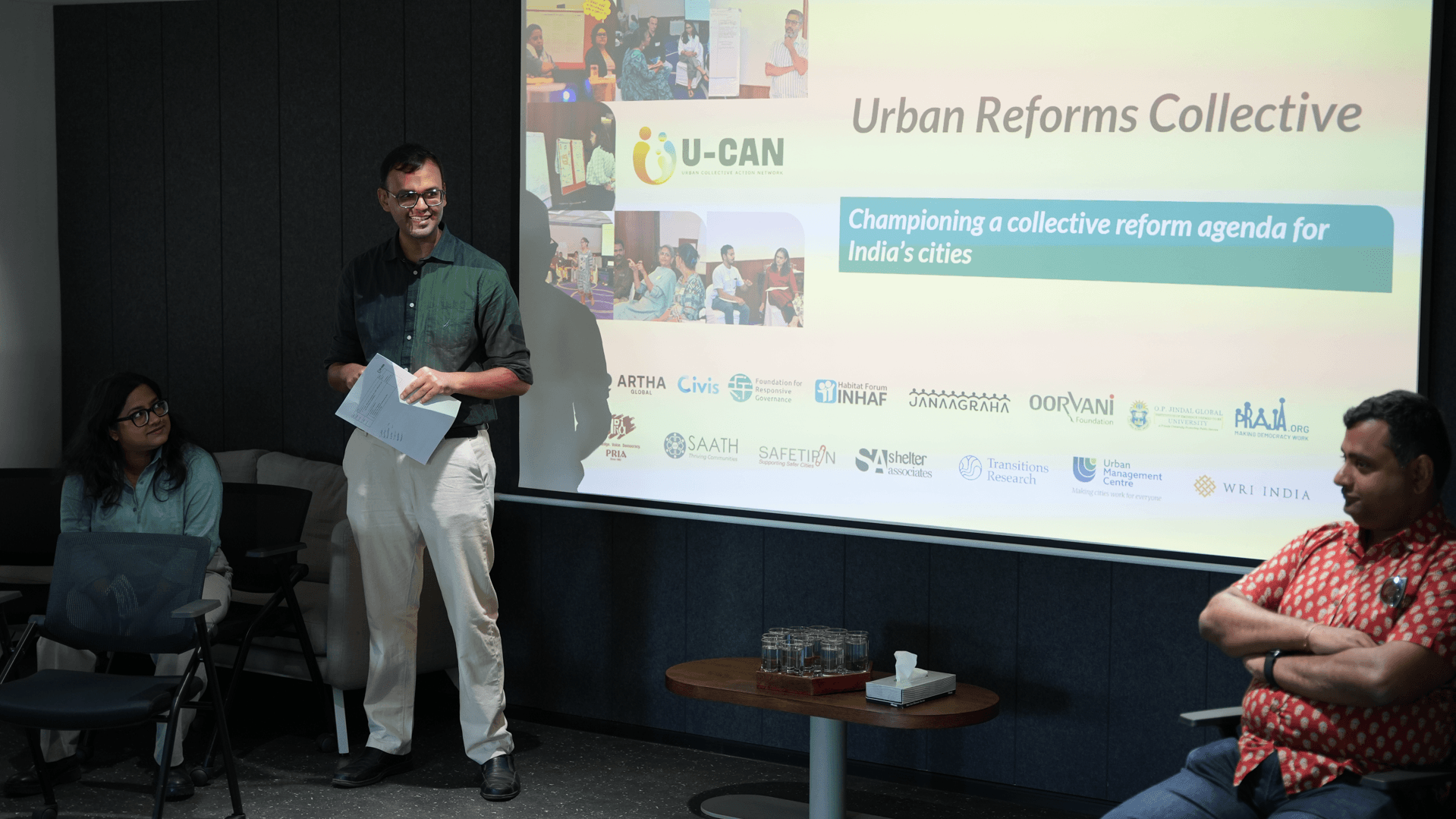
The URC was formally launched in Mumbai in June 2026, where 12 organisations signed the Mumbai Declaration.
Questions
The Urban Collective Action Network (U-CAN) is a network of organisations working to strengthen urban problem-solving in emerging Indian cities.
It brings together actors across sectors to create spaces where practitioners, communities, and policymakers can engage with each other, fostering more collaborative approaches to addressing urban challenges. This, in turn, supports more inclusive governance and contributes to more livable cities.
U-CAN’s approach is grounded in collective action, a multisectoral systems lens, and a strong emphasis on citizen participation in policymaking. It serves as the backbone for the URC — supporting coordination, convening organisations, and enabling the collective to function effectively. The U-CAN Secretariat plays a key role in facilitating collaboration, maintaining alignment, and supporting implementation.
The URC is an initiative of U-CAN, and will serve as its backbone organisation (or secretariat). The URC is also one of U-CAN’s three identified strategic goals, reflecting its focus on enabling collective action towards urban reforms. The U-CAN secretariat is responsible for day-to-day coordination, ensuring that the Collective remains aligned and action-oriented.
Improving cities isn’t just about better infrastructure projects, but also developing better integrated policies and delivering efficient and citizen-centric governance. Policy reforms matter because they shape how programmes are designed, how institutions function, and how services are delivered by the functionaries. Without innovation and improvements in the way policies are designed and developed, even well-intended government initiatives struggle to scale or sustain impact. Moreover, the urban sector continues to have a huge backlog of reforms to usher in good quality of life for residents of Indian cities.
At the same time, there is a growing recognition across the sector that collaboration is no longer optional. Many organisations are working on similar urban challenges, but often without enough alignment or active coordination. The URC emerged from this moment, as a way to build a shared reform agenda, strengthen collective voice, and enable more coordinated engagement with decision-makers.
The URC’s work is centred on enabling a stronger, more connected field around urban governance reform. This includes creating spaces for organisations to learn from each other, share insights from research and practice, and build a deeper understanding of urban governance reforms.
It also involves bringing together actors across the ecosystem, from civil society to research institutions, and enabling more meaningful collaboration for engagement with key stakeholders in the government and the allied eco-system. A key priority will be to co-create a shared reform agenda and policy engagement roadmap for long-term and short-term, and aligning efforts across organisations to champion this agenda.
Alongside this, the URC will work to build the infrastructure that collaboration requires, such as working groups, communication channels, and coordination mechanisms, and explore ways to better align resources in support of shared priorities.
The URC’s reform priorities will be developed with input from all members. This will involve collective brainstorming to shape the agenda to focus on systemic improvements in urban governance, service delivery, and policy design. Specific priorities will evolve over time based on collective input and emerging opportunities.
Joining the URC involves a simple but curated process:
Membership and its level is curated to ensure alignment with the Collective’s goals. Acceptance and membership into the network will be decided by mutual agreement and alignment of both parties.
Every member organisation's agenda moves faster collectively than individually. The government is more likely to act when it hears the same ask from multiple credible organisations than when it hears competing asks from separate ones.
Members get a platform and collective legitimacy to amplify their own work. Their research reaches more decision-makers, government relationships become part of a larger strategic map, and their voice on urban reform carries more weight when it is visibly part of a coordinated collective.
Finally, members get access to a shared evidence base, political economy intelligence, and peer learning across organisations — resources that would cost any single organisation significantly more to build alone.
The URC brings together organisations with different strengths, recognising that meaningful reform requires complementary expertise and roles.
a. Anchor Partners are organisations with deep expertise and experience in urban governance, particularly in research, policy engagement, and institutional reform.
– They play a central role in shaping the reform agenda, contributing technical inputs, and engaging with policymakers.
– Anchor Partners also serve on the Coordination Committee by rotation and set the overall direction of the Collective.
b. Affiliate Organisations are organisations committed to advancing urban reforms, but may be limited by bandwidth, being new to policy engagement or to the urban sector. They contribute in a range of ways, from participating in discussions and learning spaces, to amplifying key messages, to actively engaging in inputting into shaping reforms, strategy and collaborative initiatives.
Organisations other than those eligible to play the role of Anchor Partners join as Affiliates. Over time, based on engagement, contribution, and readiness, and after a minimum engagement period of 15 months, affiliate organisations could move to become Anchor Partners.
The URC is built on voluntary association, flexibility in participation based on capacities and shared ownership. Organisations are expected to:
The Collective values flexibility, allowing organisations to contribute in ways that align with their expertise and resources. It will work on the tenet of ‘commit what you can deliver, and deliver what you commit.
Currently there is no fee or financial implication. However, there is an expectation of time and human resources to build the collective and its joint efforts. Organisations will have to defray their own costs to participate in the convenings, deliberations and outreach activities of the collective.
You can reach out to the team at reforms@urban.org.in for any further questions
If this sounds interesting to you, reach out to us at reforms@urban.org.in to express your interest in being part of the Urban Reforms Collective.
We use only essential cookies to make this site work. With your consent we would also measure anonymous usage to improve it. You can change this at any time from “Manage cookies” in the footer.